Buying smarter: How group purchasing is reshaping cost control for food producers
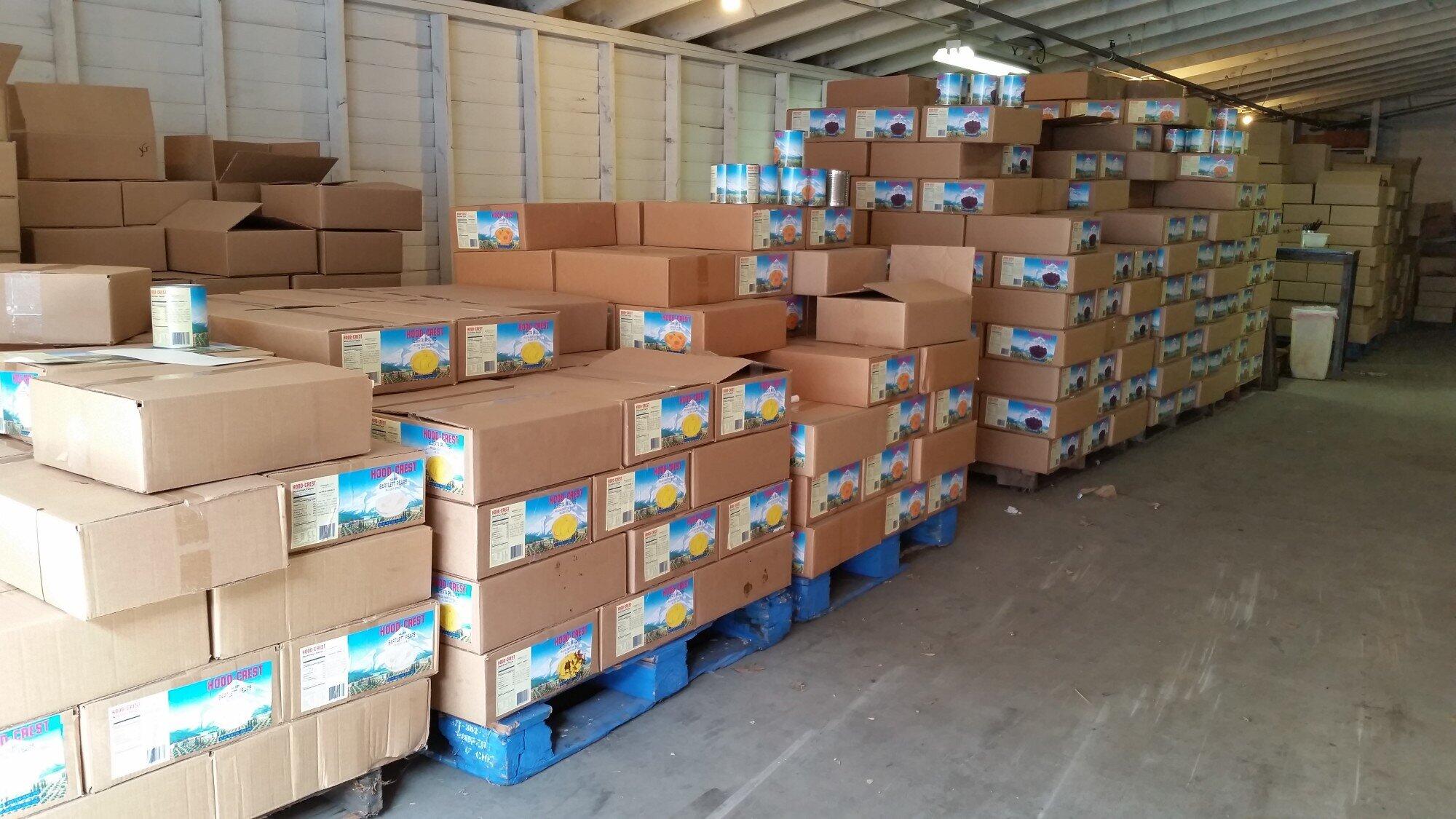
Food producers work on thin margins, and swinging input costs make those margins even harder to manage. Group purchasing lets them pool their orders through a GPO, so even small companies can buy at prices that used to be out of reach.
All businesses rely on profit margins, but some operate on thinner margins than others. Despite how important the food industry is, producers still depend on unforgiving finances. According to the FAO, input costs can swing based on factors like weather fuel availability, and global demand.
Faced with such volatility, a growing number of food producers have started pooling buying power through group purchases, reducing the impact of increasingly unpredictable risks.
Innovative Cost Control: The Shift Toward Collective Buying
According to the US Government Accountability Office, group purchasing organizations (also known as GPOs) aggregate the orders of various independent food producers and make larger orders, enabling them to get a better price based on bulk purchases. The GPO then distributes that large volume shipment to smaller, independent companies.
A collective arrangement like this enables smaller producers to have their orders carry much more weight. On their own, a small-time bakery doesn’t have much influence over huge multinational companies. But, as part of a GPO collective, that same company is part of a group carrying the weight of a huge national account.
Suppliers offer companies the following under these arrangements:
- Discounts on orders thanks to the bulk-buy discount
- Priority allocation thanks to being part of such a high-volume order
- More favorable contract terms because collective GPO accounts can be too big to lose
The best part about joining a GPO is that it doesn’t require any new equipment, and it doesn’t require any new staff either. A producer keeps making its own products and selling them to the same customers as before. The only thing that really changes is who handles putting in the orders.
Cost Management Strategies: Where the Savings Come From
Lower prices per unit are the most evident advantage, but that is just one aspect of it. If you explore All Star Purchasing or similar companies, you’ll see the majority of GPOs have experts who monitor the markets for goods like :
- Freight
- Energy
- Ingredients
- Packaging
These specialists feed useful competitive pricing insights back to members, so a producer can find out when cardboard is about to get more expensive, or when a contract for sweetener is worth signing early. It’s challenging to track down that kind of information on your own, particularly when the operations manager has a lot of other responsibilities besides purchasing.
Catching those price moves early adds up to real food-industry efficiency, because the producer can plan around its costs rather than be surprised by them when the invoice arrives. Some groups go further still and bundle in procurement solutions like shared ordering software, which puts tools in reach of a small producer that would normally be well outside its budget.
Group Purchasing: Buying Smarter Pays Off
For producers working with tight margins, group purchasing is one of the most practical cost-management strategies around, turning scale into an innovative form of cost control that smaller companies could never achieve alone.
Continue exploring our website for fresh ideas and engaging content across business, lifestyle, and culture.