The hidden impact of used equipment on live music event logistics
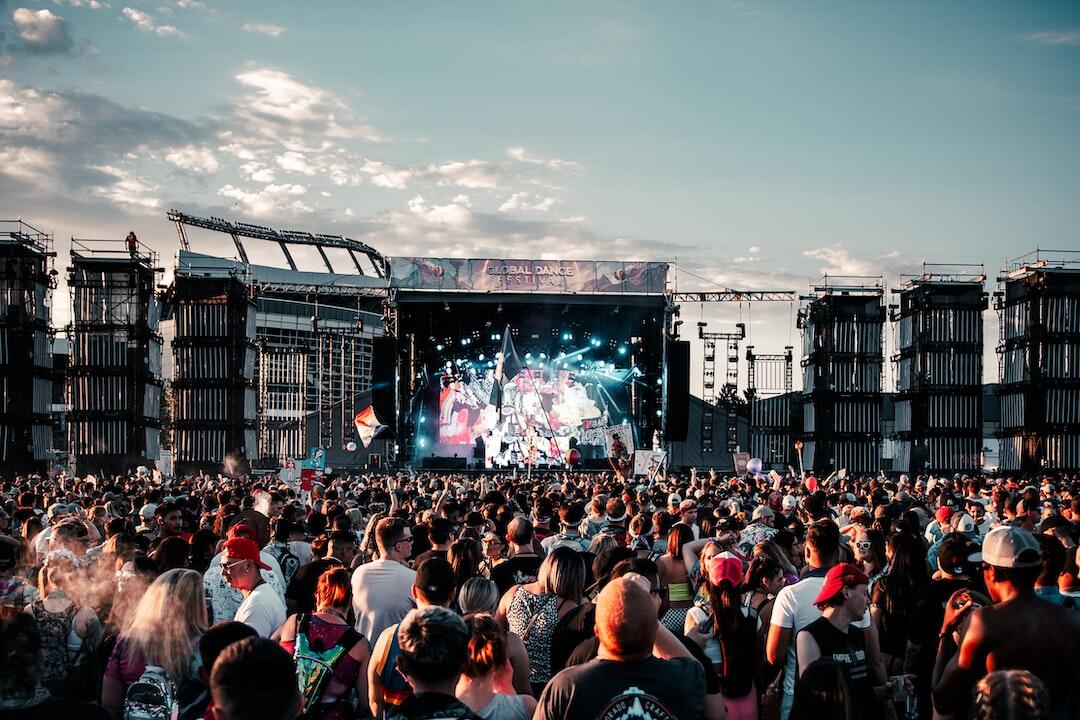
Using used equipment can help live music events save money, but it’s important to find the right specialized vendors and be aware of the risks.
When you go to a music event, what you see on stage is just the tip of the iceberg. Behind every festival and arena tour, there’s a complex logistics system involving trucks, lifts, generators, and all kinds of other technical components.
In recent years, live music production crews have shifted towards used equipment. This article explores what that shift means for live event logistics.
Concert Equipment Logistics: Why Production Companies Buy Used Gear
If you’ve ever seen your favorite artist perform live, you might think that live production companies operate with massive profits, but in reality, regional tours and mid-sized festivals operate on thin margins, and this necessitates making savings in certain areas.
According to GoCodes, buying used equipment cuts down on capital expenses significantly, particularly when buying heavy machinery, which generally loses 20-40% of its value within the first year of ownership.
Impact of Used Gear: The Reliability Tradeoff With Used Equipment
The problem with used equipment is that you just don’t know its maintenance history. This introduces an element of unpredictability, which is undesirable in an industry where the shows go on.
Production managers are dealing with used equipment that might run for another 10 years or might fail. There’s no way of knowing until you’ve worked with the gear for a while.
Failure is expensive in the live music industry because, as stated by Festival and Event Production, crews are paid hourly, so when equipment breaks down, they wait around while still on the clock. Production managers have to absorb this risk by building in scheduling buffers or keeping backup units on-site.
It’s also harder to figure out a long-term maintenance schedule with used equipment, while new equipment can be maintained at predictable service intervals. Used equipment needs to be serviced according to the current condition, which isn’t always entirely clear.
Second-Hand Music Gear: Sourcing and Vendor Relationships
The seller is just as important as the piece of equipment itself. Specialist vendors understand how the entertainment industry works. For example, when working on music festival sites, equipment needs to be able to handle uneven ground. Music venues might also lack a proper loading dock, which can lead to major logistical headaches.
This is where production teams need to find reliable used truck mounted forklifts that can deploy directly from the trailer and serve as their own loading dock on site. Buying used is often the only way production crews can afford specialized equipment that’s sufficiently adapted to the challenges.
Live Event Planning: Concert Logistics Challenges to Prepare For
The music industry operates on thin margins, and many production companies are turning to used equipment to reduce capital expenditure. While this is an effective way to save money, production managers need to prepare for the unpredictability of used equipment.
Production companies also need to work with vendors who understand the unique needs of the industry. If you’re interested in reading more about similar topics, check out the rest of our blog post.