The operational risks of relying on fragmented payment systems

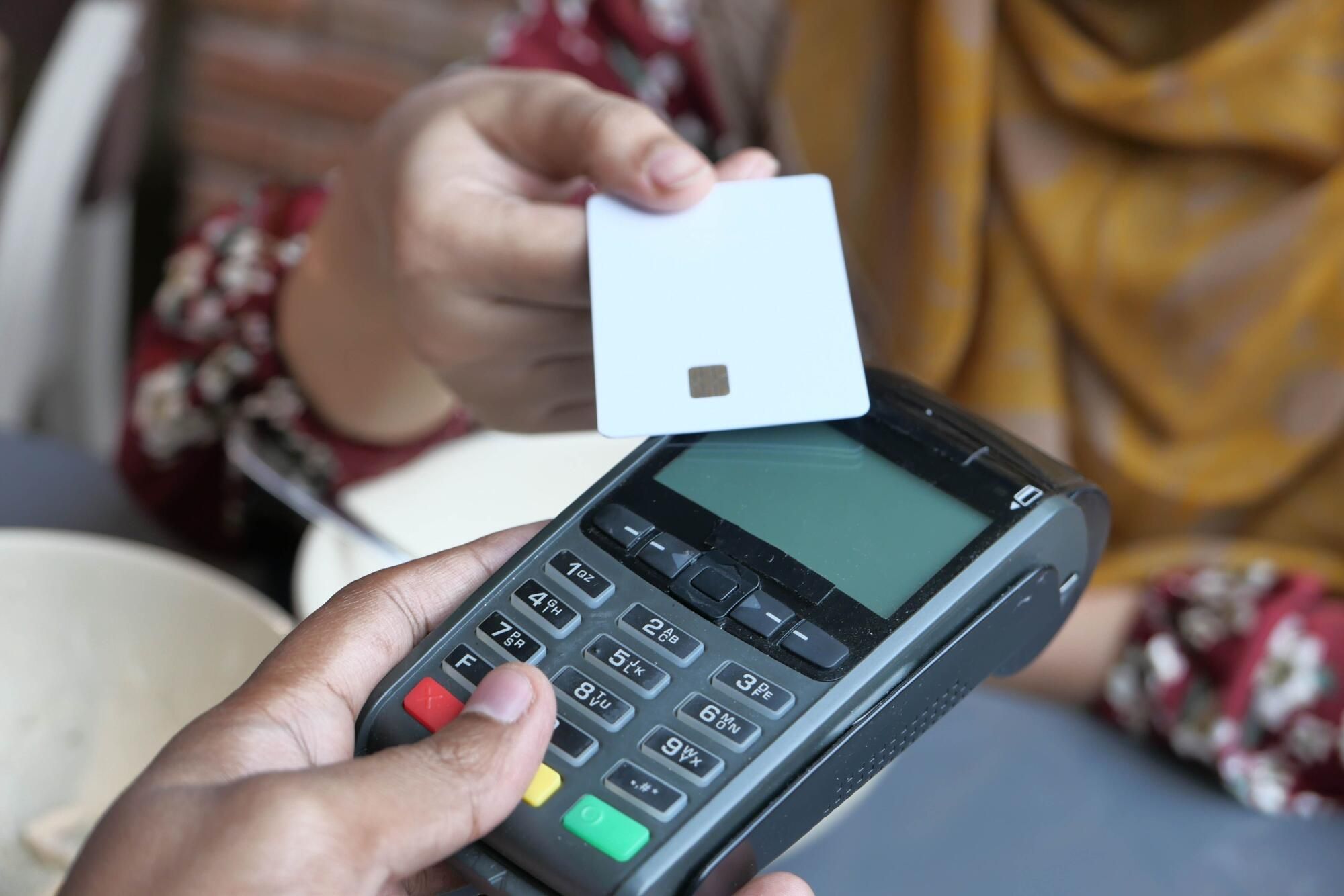
Some reasons why operational risks become more common as payment systems become fragmented are that visibility can become limited, fees can be harder to track, and errors can multiply across systems. All of these can result in decision-making becoming more difficult.
When customers pay for something at a retail or online business, they expect the transaction to be seamless. Any hitches in the transaction could result in them dropping out and never interacting with that business again.
That’s why payment operations are so important to keep an eye on. As businesses grow, payment systems tend to become more fragmented, which can lead to operational risks.
When payment information gets spread across different platforms, managing these transactions accurately and efficiently can be a huge challenge.
Visibility Can Become Limited
Fragmented payment infrastructure can make it harder for businesses to see their overall financial position. It’s important, especially in large businesses with thousands of transactions, that they are able to have some visibility into their transactions.
Management may have access to transaction information, but that information can be divided among several platforms. Without a centralized view, identifying trends, unusual activity, outstanding payments, or changes in transaction volume may take longer.
Limited visibility can make timely decision-making more difficult. Risk management starts by ensuring that payment system fragmentation is reduced. Consider payment software solutions at Baseella.com to assist with that.
Fees Can Be Harder To Track
Using multiple payment providers can also complicate fee management. Different processors may charge different:
- Transaction rates
- Subscription fees
- Currency conversion charges
- Dispute fees
- Other costs
When these expenses are spread across several systems, businesses may struggle to understand their true payment costs. Without knowing exactly what their true payment costs are, it’s harder to estimate overall profits and plan for the next year.
Centralizing reporting can make it easier to identify unnecessary expenses and compare providers.
Errors Can Multiply Across Systems
Every additional system creates another opportunity for information to become inconsistent. The following may need to move between platforms:
- Customer details
- Invoices
- Payment statuses
- Refunds
- Transaction records
If integrations fail or information is entered incorrectly, discrepancies can develop. It can make it harder for employees to ensure that errors are controlled or even eliminated.
These errors may not become obvious until a customer notices an incorrect charge or the finance team attempts to reconcile accounts. It can result in a loss of reputation with customers or even loss of customers over time.
Unified payment solutions can help with this business risk mitigation.
Operational Risks Can Be Reduced By Choosing Unified Payment Solutions
It isn’t easy to run a business in the modern world, especially with so many digital payment platforms in use. However, if you wish to reduce operational risks, you have to start by unifying your payment solutions and ensuring you have secure transaction methods in place.
A successful business cannot have payment system fragmentation. Risk management starts by setting up better payment systems.
Please check out related articles on our website on a wide variety of topics.